
NC Will Requirements: What You Need to Know
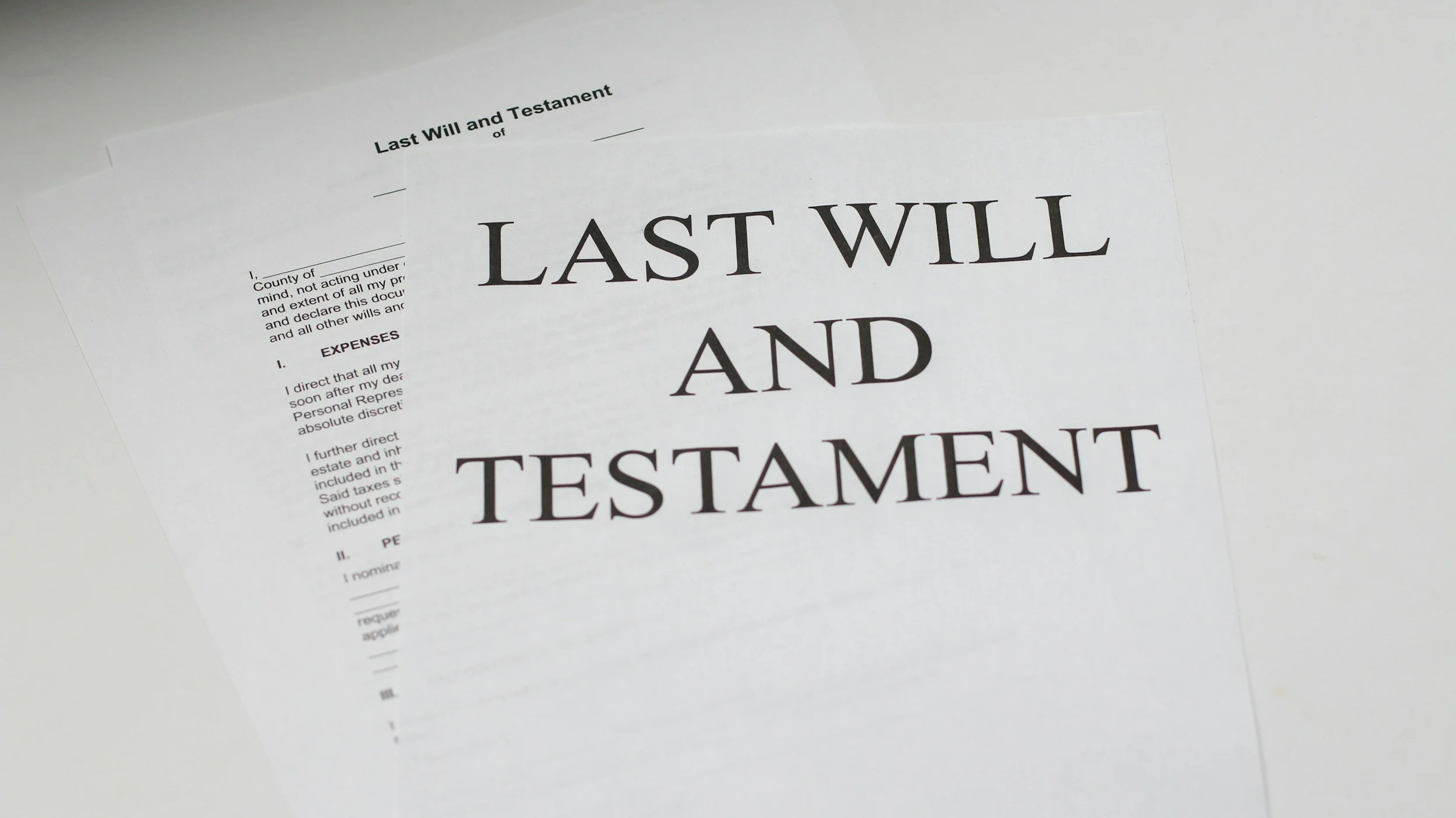
A last will and testament is a legal document outlining how you would like your affairs and properties handled after your death. It can specify who inherits your assets, appoint guardianship for minor children, and select someone to manage your estate.
There are specific steps to take in North Carolina to create a legally binding and valid will. It is essential to understand your state’s requirements before beginning the process to ensure your wishes are followed properly after your death.
Basic Requirements to Make a Will in North Carolina
To create a valid will in NC, you must meet all of the following requirements:
Be at least 18 years of age
Be of sound mind
Create a written will (typed or handwritten)
Sign the will
Have the will signed by two competent, disinterested witnesses
Best practice is to have all signatures notarized
Failure to meet any of these requirements may result in the will being declared null and void.
What Does “Being of Sound Mind” Mean?
“Being of sound mind” means you understand:
The kind, nature, and extent of your property
The manner in which you wish to distribute your property
The relationship between you and your beneficiaries
That you are creating a will and the legal effect it has
A person doesn’t need perfect mental health to make a will, but they must be mentally competent at the time the will is executed. If capacity is later challenged, courts may consider medical records, witness testimony, and surrounding circumstances to declare the will valid.
Written Will Requirement
North Carolina does not recognize purely digital wills, though other states may. Your will must be one of the two following:
Typed and printed
Completely handwritten
Electronic signatures and electronic-only documents are not valid under current NC law.
Signing the Will
The will must be signed by the testator (the person making the will). If the testator is physically unable to sign, another individual may sign on the testator’s behalf, provided that:
The signing occurs in the testator’s presence
The testator clearly directs the individual to sign for them.
This process should be handled carefully, as improper execution may raise questions about the will’s validity.
Understanding North Carolina’s requirements for creating a valid will is essential to effective estate planning. A properly executed will helps ensure your property is distributed according to your wishes and reduces the likelihood of legal disputes. Taking the time to comply with state law can provide clarity and peace of mind for you and your loved ones.
This article is for informational purposes only and does not constitute legal advice. Trust modification rules are fact specific. Consult experienced North Carolina estate planning counsel regarding your particular situation.